
Traditional Chinese Medicine (TCM) has been practiced for thousands of years, emphasizing the balance of vital energy, known as Qi (pronounced “chee”), within the body. Central to TCM therapies like acupuncture and acupressure are acupoints—specific points on the body where Qi flows through pathways called meridians. Stimulating these points can help restore harmony, alleviate pain, and promote overall wellness.
What Are Acupoints?
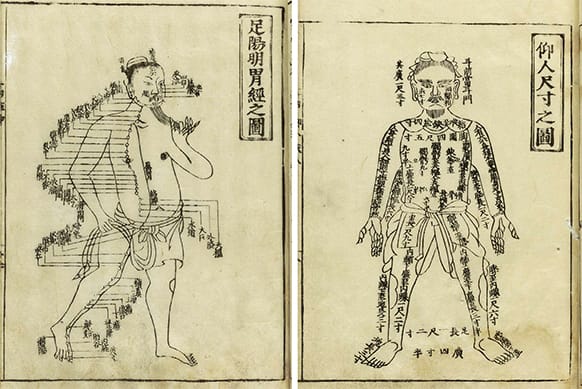
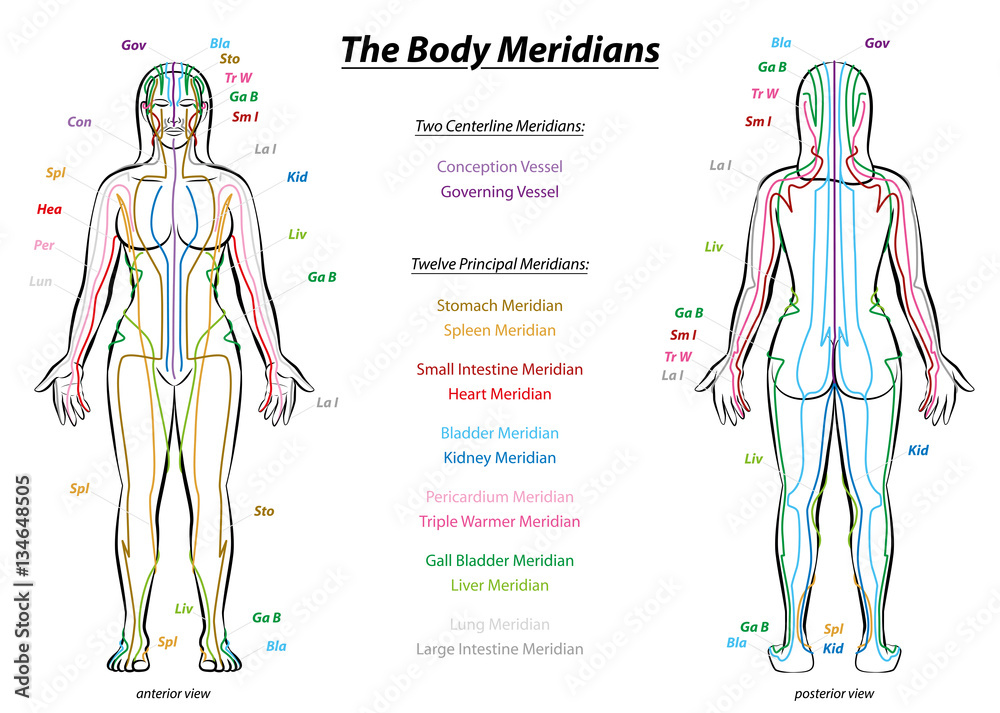
Acupoints, also called acupuncture points or simply “points,” are precise locations on the skin and underlying tissues where the body’s energy channels intersect with the surface. According to TCM theory, there are over 400 acupoints, most of which lie along 14 main meridians (energy pathways) connected to specific organs and bodily functions. These meridians form a network that circulates Qi, blood, and fluids throughout the body.
When Qi flows freely, the body is in balance, leading to good health. Blockages or imbalances in Qi can result in discomfort, illness, or fatigue. By inserting fine needles (in acupuncture) or applying pressure (in acupressure) at acupoints, practitioners aim to unblock stagnation, tonify deficient Qi, or calm excess energy.


How Do Acupoints Work?
In TCM, acupoints are not random; they are strategically located based on ancient observations and anatomical landmarks. Modern research suggests that stimulating acupoints may:
- Release endorphins and other natural pain-relieving chemicals.
- Influence the nervous system to reduce inflammation.
- Improve blood circulation and support immune function.
- Regulate the autonomic nervous system for stress relief.
Many acupoints are highly effective for relaxation and recovery, complementing modern wellness practices like massage therapy.
Common Acupoints and Their Benefits
Here are some of the most frequently used acupoints, along with their traditional benefits:
- LI4 (Hegu) – Located on the hand between the thumb and index finger. Known as the “pain relief point,” it helps with headaches, toothaches, stress, and facial tension.
- ST36 (Zusanli) – Found on the lower leg, about four finger-widths below the kneecap. This powerful tonifying point boosts energy, strengthens digestion, enhances immunity, and aids recovery from fatigue.
- PC6 (Neiguan) – On the inner forearm, two finger-widths above the wrist crease. Excellent for nausea, anxiety, motion sickness, and heart-related discomfort.
- LV3 (Taichong) – On the foot, between the big toe and second toe. Helps calm the mind, relieve stress, regulate liver Qi, and ease menstrual or emotional imbalances.
- GV20 (Baihui) – At the top of the head, in the center. Promotes mental clarity, reduces headaches, and uplifts mood.
Incorporating Acupoints into Daily Wellness
While professional acupuncture offers the deepest benefits, simple acupressure—pressing firmly on these points for 1-2 minutes—can provide quick relief at home. Always consult a qualified TCM practitioner for personalized advice, especially if you have health conditions.
At Jiama Health, we believe in blending ancient TCM wisdom with modern relaxation techniques to support your well-being. Stay tuned for more articles in our TCM series exploring meridians, herbal remedies, and holistic health tips.
Note: This information is for educational purposes. TCM practices should complement, not replace, conventional medical care.