
In Traditional Chinese Medicine (TCM), the concept of meridians (also known as channels or jingluo) forms the foundation of how vital energy, or Qi, circulates throughout the body. These invisible pathways connect acupoints, organs, and tissues, ensuring harmony and balance. Building on our previous discussion of acupoints, understanding meridians provides deeper insight into practices like acupuncture, acupressure, and moxibustion.
What Are Meridians?
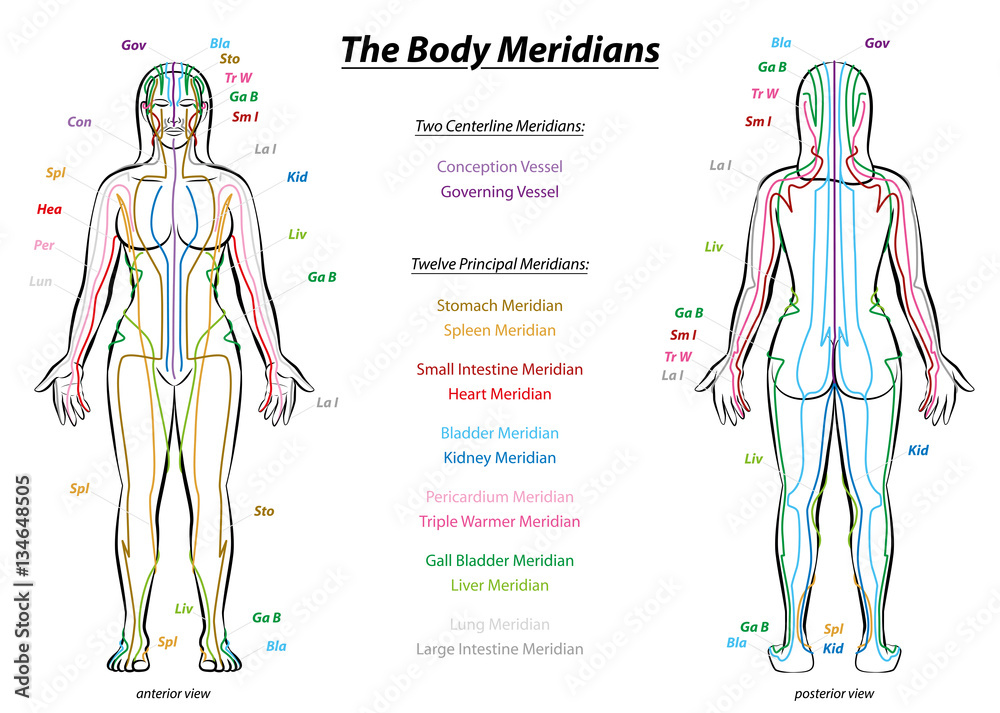
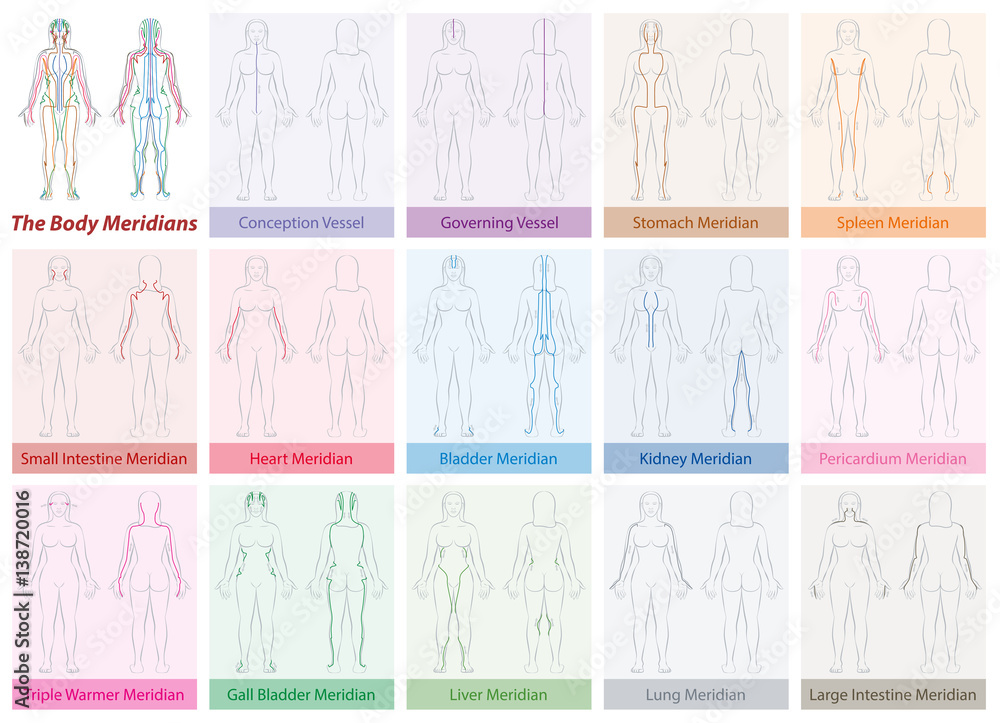
Meridians are energy channels that transport Qi, blood, and bodily fluids. TCM theory describes 12 primary meridians, each associated with a specific organ system (such as the Lung, Heart, or Liver), plus 8 extraordinary meridians that act as reservoirs of energy. The 12 main meridians are paired (yin and yang) and run symmetrically on both sides of the body.
Yin meridians (related to storage and nourishment) flow upward along the inner body, while yang meridians (related to protection and activity) flow downward along the outer body. Together, they form a continuous loop, often compared to a subway system for the body’s energy.

The Role of Yin and Yang in Meridians
Central to meridians is the balance of yin and yang—opposite yet complementary forces. Yin represents coolness, rest, and interior aspects, while yang embodies warmth, activity, and exterior protection. Imbalances in these forces can disrupt Qi flow, leading to health issues.
This duality is symbolized by the Tai Chi (Yin-Yang) diagram, reflecting the interconnected nature of all things in TCM.
Tai Chi symbolizes the totality of the combined real and imaginary …
Key Meridians and Their Functions
Here are some essential meridians and their associated benefits:
- Lung Meridian: Governs respiration and skin health; helps with grief, immunity, and breathing issues.
- Large Intestine Meridian: Aids elimination and emotional release; useful for constipation and letting go of negativity.
- Stomach Meridian: Supports digestion and nourishment; often targeted for appetite regulation and energy.
- Spleen Meridian: Involved in transformation of food into Qi; strengthens immunity and mental clarity.
- Heart Meridian: Regulates blood circulation and emotions; calms the mind and addresses anxiety or insomnia.
Many meridians have accessible points on the hands and feet, making self-acupressure convenient for daily use.


Therapies That Target Meridians
Beyond acupuncture, moxibustion—burning dried mugwort (moxa) near acupoints—warms meridians, dispels cold, and boosts yang energy. It’s particularly helpful for chronic pain, digestive issues, and fertility support.

Moxibustion | Definition, Uses, & Facts | Britannica
Integrating Meridian Knowledge into Wellness
Tracing or massaging along meridian paths during relaxation routines can enhance Qi flow. For example, gently rubbing the inner arm (Heart or Lung meridian) promotes emotional calm.
At Jiama Health, we’re dedicated to sharing TCM principles to empower your holistic health journey. Look forward to upcoming articles on topics like Qi cultivation, herbal therapies, and seasonal wellness.
Note: This information is educational. Always seek guidance from a licensed TCM practitioner and consult your healthcare provider for medical concerns.