
In Traditional Chinese Medicine (TCM), cupping and gua sha are time-honored external therapies designed to release stagnation, promote Qi and blood circulation, expel pathogens like wind-cold-dampness, and support the body’s natural detoxification. Often categorized under “external treatments” or alongside acupressure, these techniques complement acupuncture, herbal medicine, and massage for holistic relief—especially for pain, inflammation, and respiratory issues.
What Is Cupping Therapy?
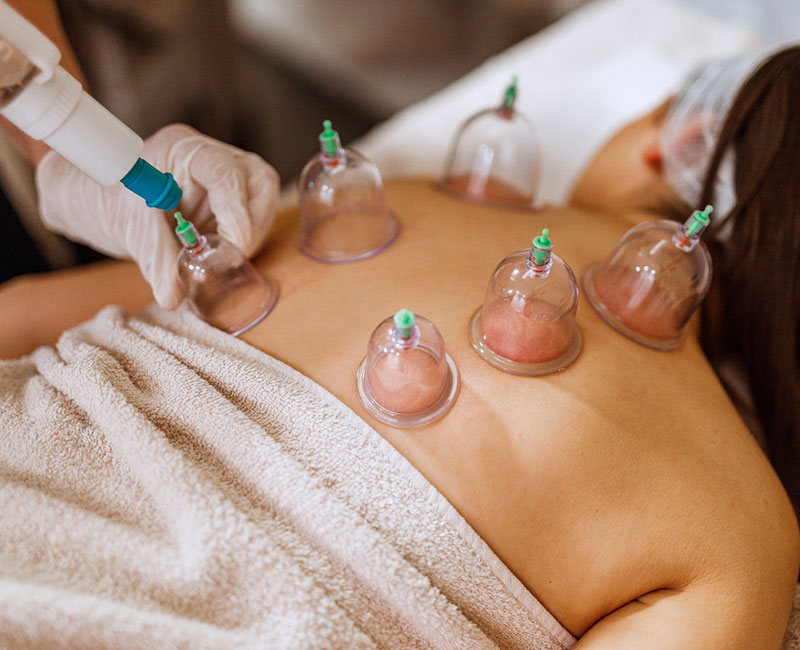
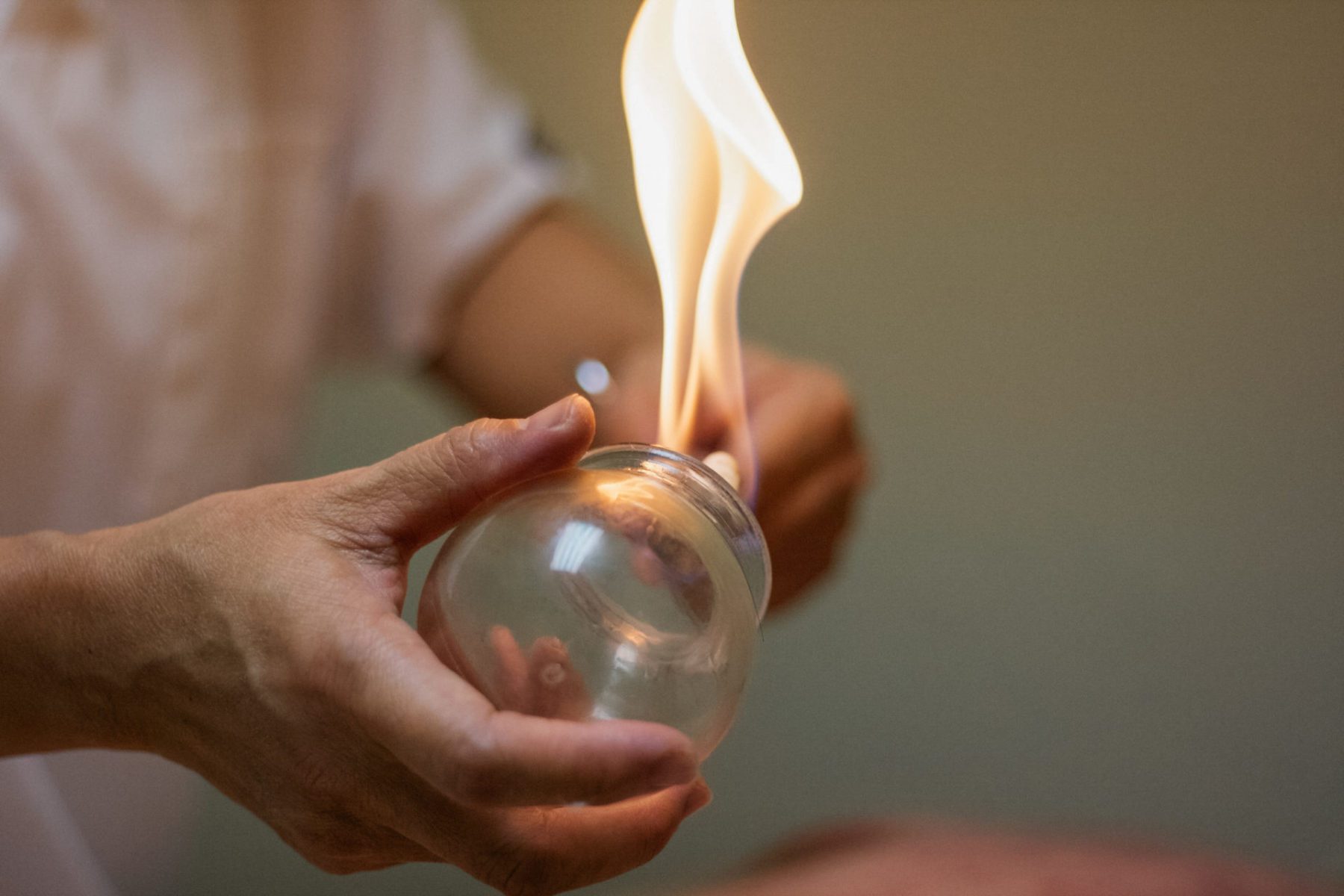
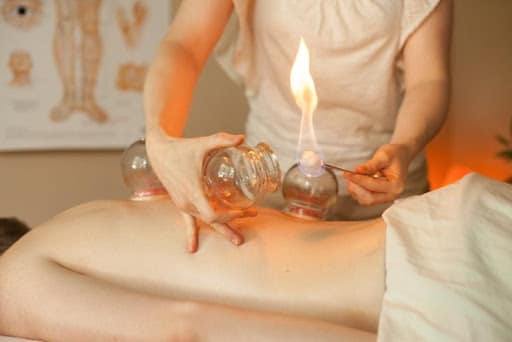
Cupping involves placing suction cups on the skin to create negative pressure, drawing blood to the surface and stimulating meridians. Common types include:
- Dry cupping: Stationary or sliding cups for muscle relaxation.
- Fire cupping: Using flame to create vacuum in glass cups (traditional method).
- Wet cupping: Minor skin pricks before suction to release “stagnant blood.”
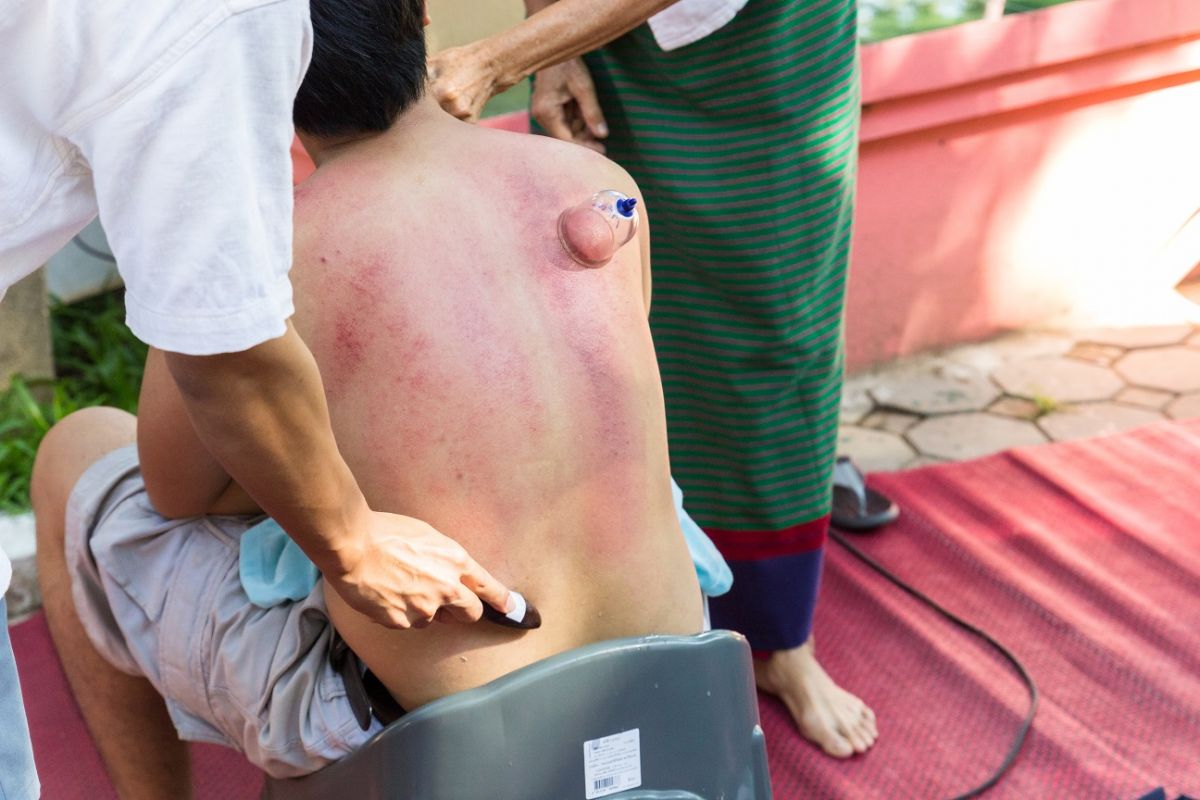
The characteristic circular marks (petechiae) are not bruises but signs of improved circulation, typically fading in days.


What Is Gua Sha?
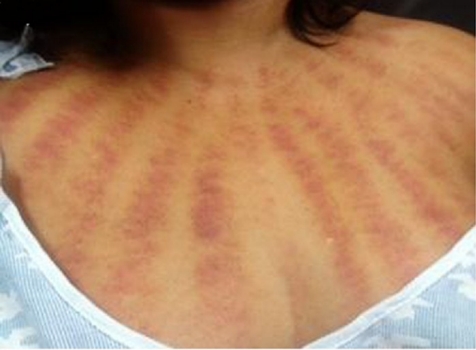
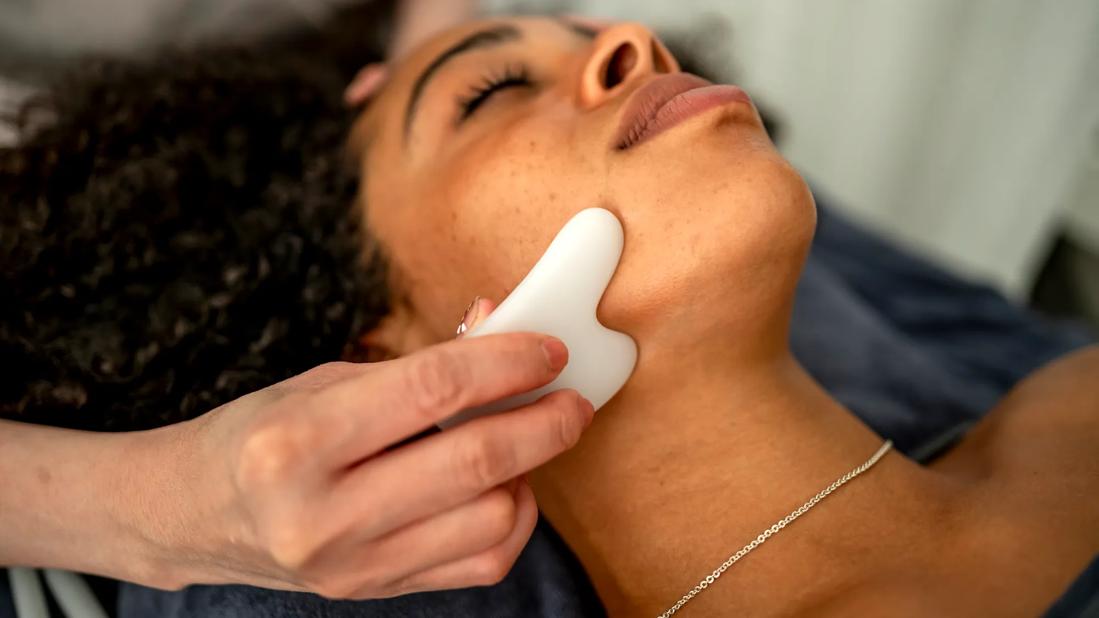
Gua sha (scraping therapy) uses a smooth-edged tool (often jade or horn) to repeatedly stroke oiled skin until red spots (sha) appear. This releases fascia restrictions, moves stagnant Qi and blood, and reduces inflammation. Popular for neck/shoulder tension, colds, and facial rejuvenation.


Benefits and Modern Applications
Both therapies may help with:
- Chronic pain (back, neck, migraines)
- Respiratory conditions (colds, asthma)
- Digestive issues and stress relief
- Enhanced immunity and detoxification
Modern massage chairs often incorporate similar suction and scraping mechanisms to mimic these effects at home, blending TCM wisdom with technology for daily wellness.
At Jiama Health, we draw inspiration from these authentic TCM practices to design relaxation tools that target real meridians and promote true recovery. Stay tuned for more in our TCM Wellness series!
Note: These therapies should be performed by trained professionals. Consult a licensed TCM practitioner or healthcare provider, especially if you have skin conditions, bleeding disorders, or are pregnant.